
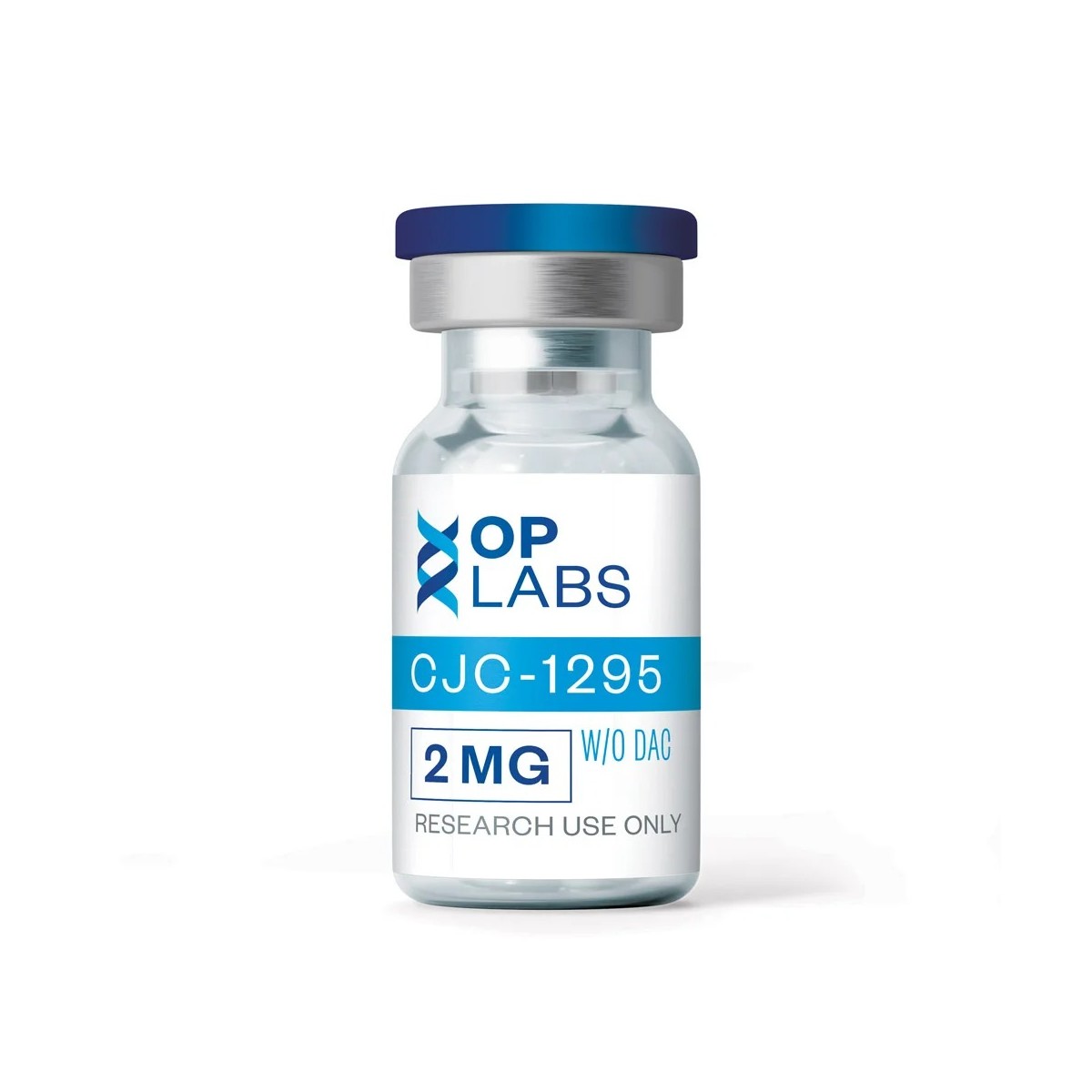

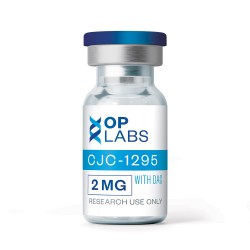
CJC-1295 without DAC is a synthetic analogue of growth hormone–releasing hormone (GHRH 1–29) designed for investigation of receptor-mediated signalling in experimental systems.
CJC-1295 without DAC is a synthetic analogue of growth hormone–releasing hormone (GHRH 1–29) incorporating amino acid substitutions designed to enhance stability relative to the native peptide. Unlike DAC-conjugated variants, CJC-1295 does not contain a drug affinity complex and therefore exhibits pharmacokinetic behaviour characteristic of non-conjugated GHRH analogues in experimental systems.
In biochemical and cellular research models, CJC-1295 interacts with the GHRH receptor expressed on pituitary-derived cells, initiating intracellular signalling cascades associated with endocrine regulation. Preclinical and clinical research has examined receptor binding properties, activation kinetics, and downstream signalling under short-duration exposure conditions. Observed molecular and physiological responses are dependent on experimental design, concentration, and model system, and are used to investigate GHRH receptor signalling rather than defined biological or physiological outcomes.
Applications in Research
As a molecular probe to study GHRH receptor binding and activation dynamics.
Investigation of growth hormone axis signalling and endocrine feedback mechanisms.
In cellular assays examining downstream transcriptional and signalling responses.
In preclinical or clinical research models assessing extended peptide–receptor interaction resulting from albumin association.
Precautions & Notes
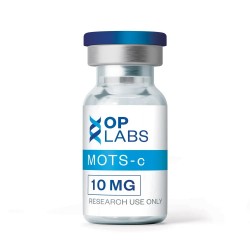
Experimental behaviour of MOTS-c is influenced by metabolic state, cell type, and peptide concentration.
Buffer composition, pH, and ionic strength may affect peptide stability.
Appropriate controls are recommended.
Intended strictly for laboratory research use.
CJC-1295 without DAC is a synthetic analogue of growth hormone–releasing hormone (GHRH 1–29) designed for investigation of receptor-mediated signalling in experimental systems.
@CUSTOMER_NAME@
@AUTHOR_PROFILE@ @COMMENT_ISO_COUNTRY@@COMMENT_TITLE@
@COMMENT_COMMENT@