
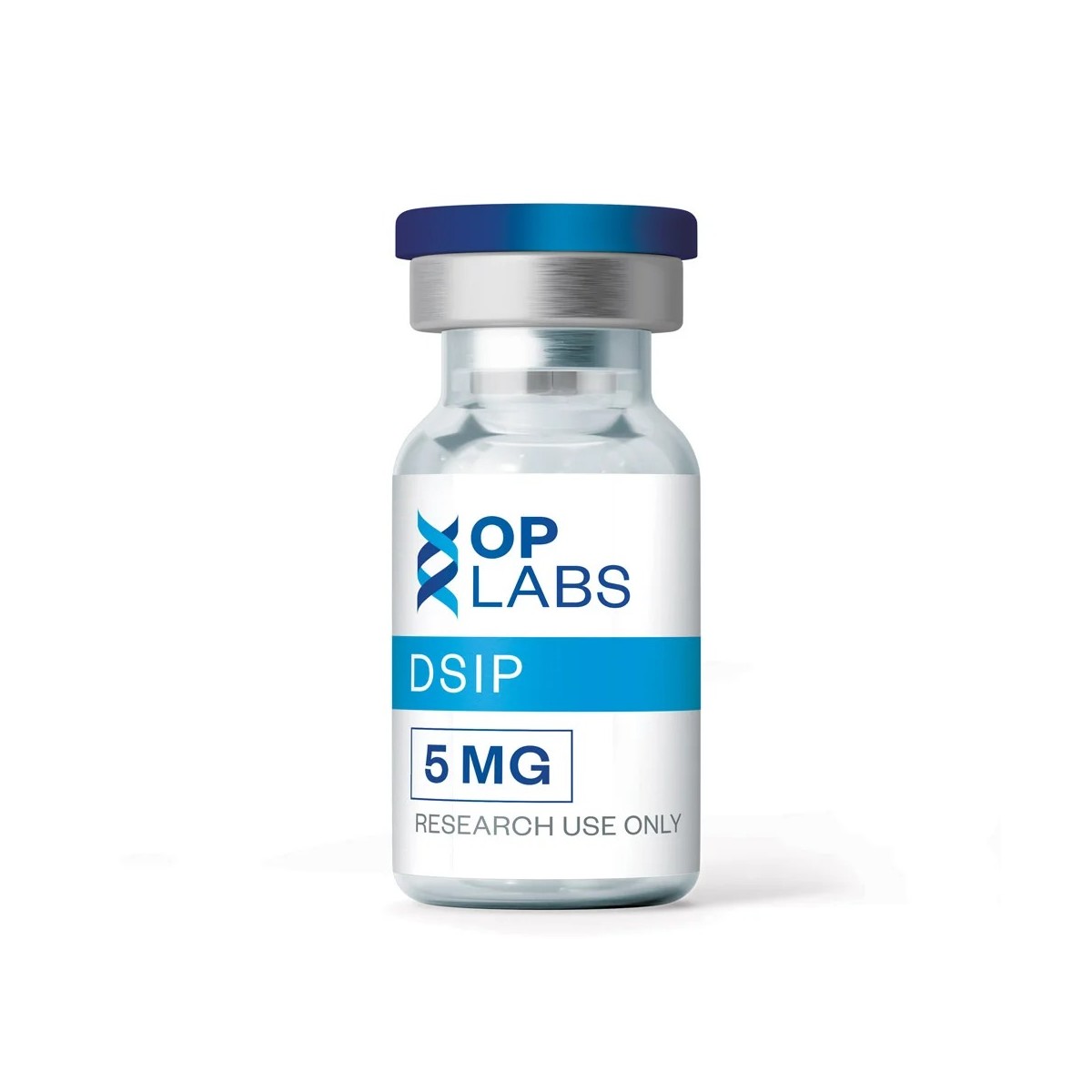

DSIP is a naturally occurring nonapeptide studied in experimental models as a neuropeptide associated with central nervous system signalling and neuroendocrine pathways.
Delta Sleep–Inducing Peptide (DSIP) is a naturally occurring nonapeptide first identified in studies of neurochemical signalling associated with sleep-related brain activity. It has been detected in central nervous system tissues, peripheral organs, and various biological fluids across multiple animal models, although its biosynthetic origin and precursor structure remain incompletely characterised.
In biochemical and cellular research systems, DSIP has been examined for its involvement in neuroendocrine signalling, stress-associated pathways, and peptide–receptor interactions. Experimental studies suggest that DSIP may interact with multiple signalling mechanisms, including NMDA receptor–related pathways and MAPK-associated signalling cascades, with observed effects dependent on concentration, exposure duration, and experimental context. DSIP is primarily utilised as a molecular tool to investigate neuropeptide signalling rather than defined physiological outcomes.
Applications in Research
As a molecular probe for studying neuropeptide-mediated signalling in central nervous system models
Investigation of peptide interactions within neuroendocrine and stress-related pathways
In vitro studies examining peptide stability, degradation, and carrier-protein interactions
As a reference compound in research involving short endogenous neuropeptides
Precautions & Notes
Experimental behaviour of MOTS-c is influenced by metabolic state, cell type, and peptide concentration.
Buffer composition, pH, and ionic strength may affect peptide stability.
Appropriate controls are recommended.
Intended strictly for laboratory research use.
DSIP is a naturally occurring nonapeptide studied in experimental models as a neuropeptide associated with central nervous system signalling and neuroendocrine pathways.


@CUSTOMER_NAME@
@AUTHOR_PROFILE@ @COMMENT_ISO_COUNTRY@@COMMENT_TITLE@
@COMMENT_COMMENT@