
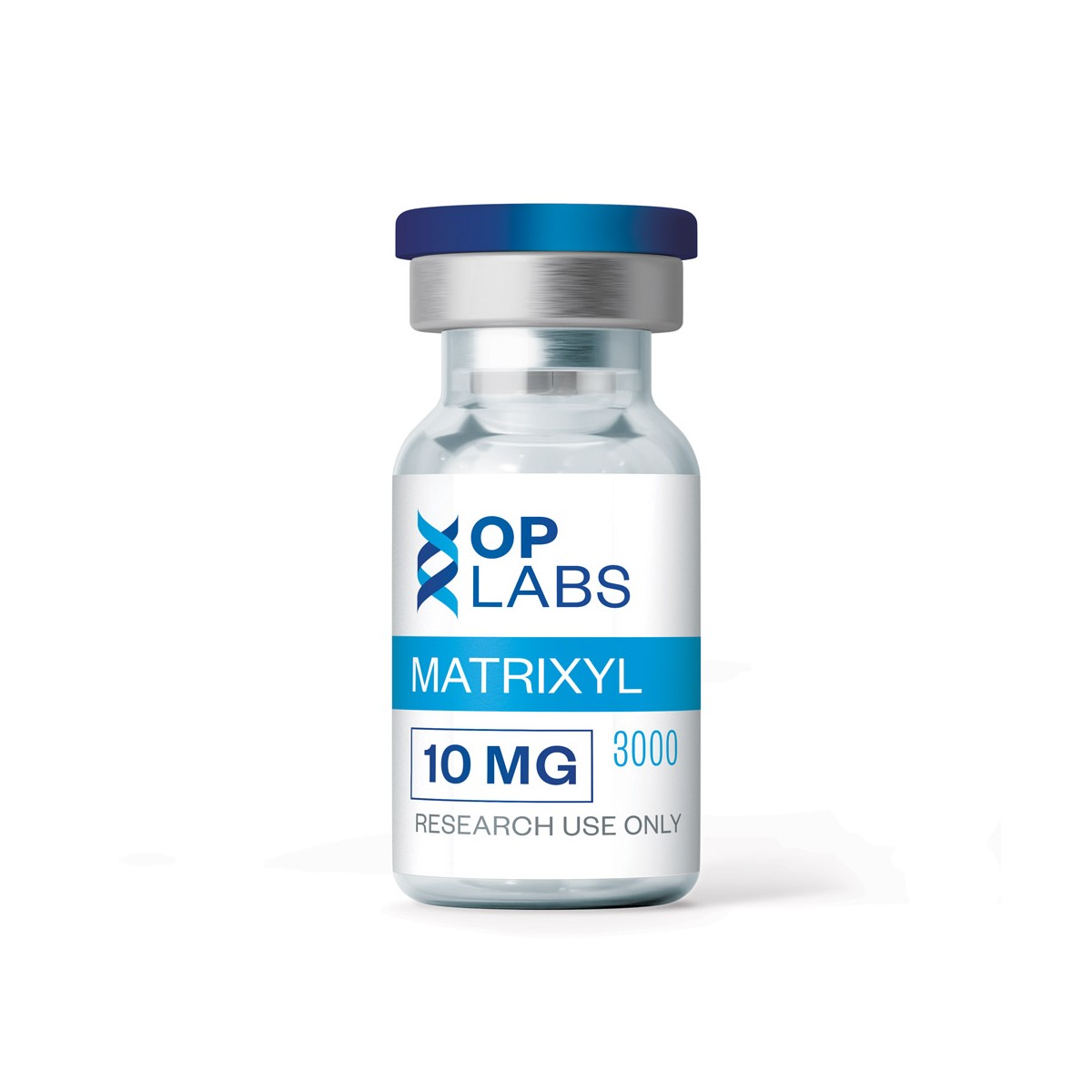
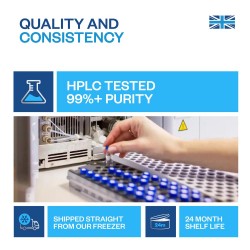
Matrixyl 3000 is a defined synthetic lipopeptide complex developed for experimental investigation of extracellular matrix–associated signalling, peptide–cell interactions, and gene expression pathways related to collagen and matrix protein regulation in cellular research systems.
Synonyms / Designations: Matrixyl, Palmitoyl Pentapeptide-4, Palmitoyl-KTTKS, PAL-Lys-Thr-Thr-Lys-Ser, Palmitoyl Pentapeptide-3
CAS Number: 214047-00-4
Molecular Formula: C39H75N7O10
Molar Mass: ~802.05 g/mol
Peptide Classification: Synthetic palmitoylated pentapeptide (matrikine-class research peptide)
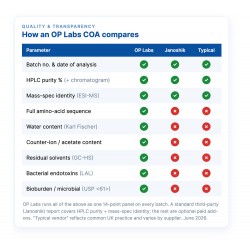
Purity: ≥ 99 % (HPLC, typical)
Appearance: White to off-white lyophilised powder
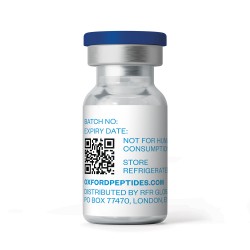
Storage: Desiccated, protected from light, stored at –20 °C
Solubility: Soluble in DMSO; limited solubility in water or dilute aqueous buffers depending on formulation
Matrixyl consists of a short pentapeptide sequence covalently modified at the N-terminus with a palmitoyl fatty acid chain. This lipid conjugation increases hydrophobicity and is used in research settings to study peptide–lipid interactions, peptide stability, and extracellular matrix–associated signalling processes in cellular and formulation-based systems.
In experimental models, Matrixyl is utilised as a reference compound for investigating matrikine-related signalling, peptide uptake dynamics, and the behaviour of lipid-modified peptides in dermal or fibroblast-associated research assays. Observed molecular responses are dependent on experimental design, concentration, formulation matrix, and model system.
Purity: ≥ 99 % (HPLC)
Appearance: White to off-white lyophilised powder
Peptide Length: 5 amino acids plus palmitoyl moiety
Molecular Weight: ~802.05 g/mol
CAS: 214047-00-4
Storage: –20 °C, desiccated, dark
Matrixyl 3000 is a defined synthetic lipopeptide complex developed for experimental investigation of extracellular matrix–associated signalling, peptide–cell interactions, and gene expression pathways related to collagen and matrix protein regulation in cellular research systems.



@CUSTOMER_NAME@
@AUTHOR_PROFILE@ @COMMENT_ISO_COUNTRY@@COMMENT_TITLE@
@COMMENT_COMMENT@