
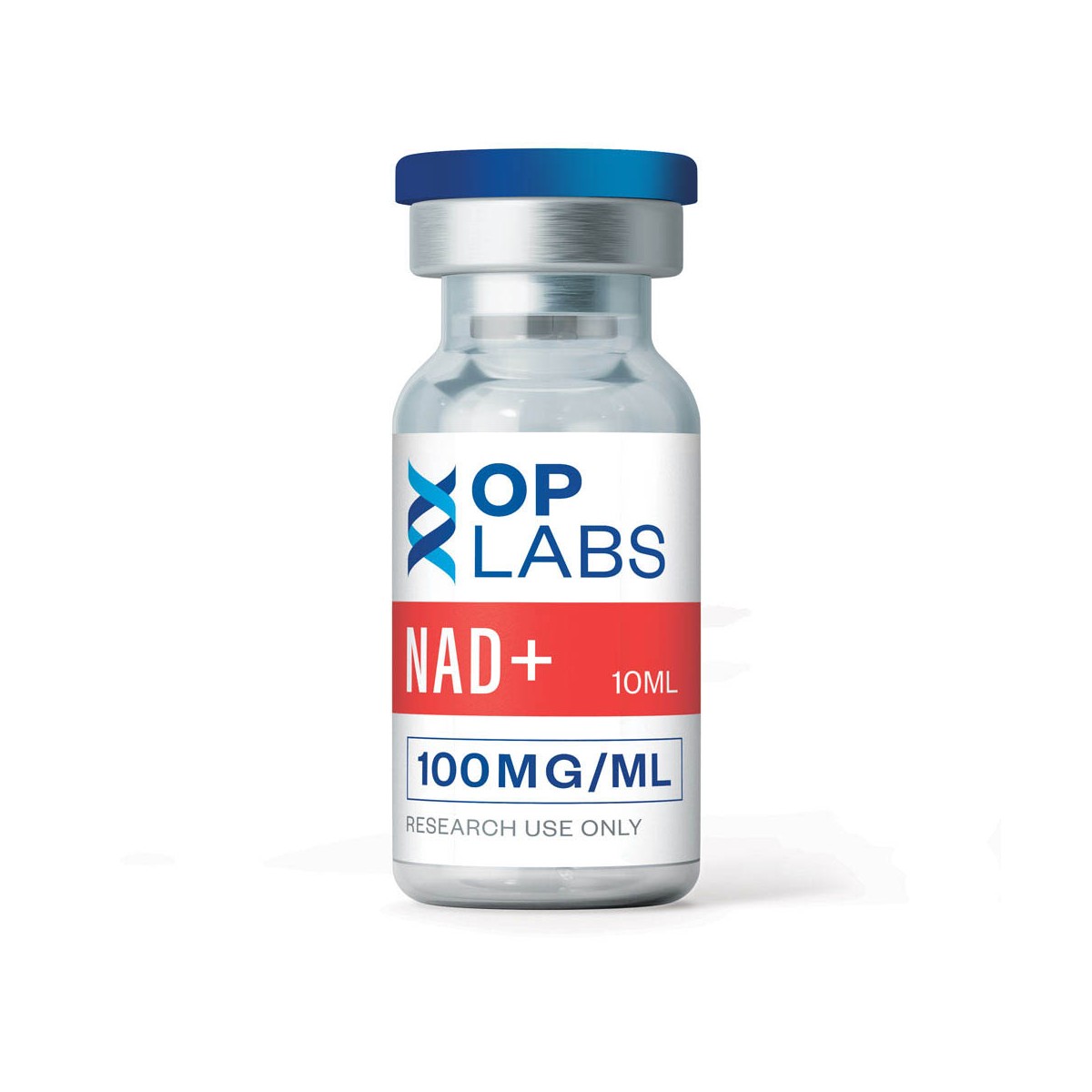
NAD⁺ (Nicotinamide Adenine Dinucleotide) is a fundamental redox coenzyme widely used in biochemical and cellular research to investigate cellular energy metabolism, mitochondrial function, and redox-dependent signalling pathways in experimental systems.
Synonyms / Designations: NAD+, Nicotinamide Adenine Dinucleotide (oxidised form), b-NAD+
CAS Number: 53-84-9
Molecular Formula: C21H27N7O14P2
Molar Mass: ~663.43 g/mol
Chemical Classification: Pyridine nucleotide coenzyme
Purity: 99 % (HPLC, typical)
Appearance: Clear liquid
Pack Size: 10ml
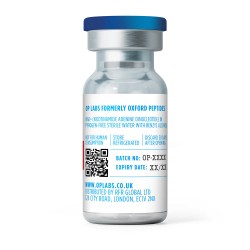
Storage: Store in a cool dark place. Discard 30 DAYS after opening.
Nicotinamide adenine dinucleotide (NAD+) is an endogenous pyridine nucleotide that functions as a central redox cofactor and signalling molecule in cellular metabolism. In its oxidised form, NAD+ participates in electron transfer reactions fundamental to oxidative phosphorylation, glycolysis, and mitochondrial energy production.
In biochemical and cellular research systems, NAD+ is extensively studied for its role in redox balance, substrate availability for NAD+-dependent enzymes, and regulation of intracellular signalling pathways. These include sirtuins, poly(ADP-ribose) polymerases (PARPs), and cyclic ADP-ribose–generating enzymes involved in DNA repair, chromatin regulation, and calcium signalling. Experimental outcomes are influenced by intracellular NAD+/NADH ratios, compartmentalisation, and metabolic state of the model system.
• Investigation of cellular redox metabolism and mitochondrial function
• Studies of NAD+-dependent enzymes including sirtuins and PARPs
• In vitro research on energy homeostasis and metabolic signalling pathways
• Use as a reference compound in enzymology and metabolic research
Purity: 100mg/ml
Appearance: Clear liquid
Chemical Type: Pyridine nucleotide coenzyme
Molecular Weight: ~663.43 g/mol
Storage: Store in a cool dark place. Discard 30 DAYS after opening.
Pack Size: 10ml
NAD⁺ (Nicotinamide Adenine Dinucleotide) is a fundamental redox coenzyme widely used in biochemical and cellular research to investigate cellular energy metabolism, mitochondrial function, and redox-dependent signalling pathways in experimental systems.
@CUSTOMER_NAME@
@AUTHOR_PROFILE@ @COMMENT_ISO_COUNTRY@@COMMENT_TITLE@
@COMMENT_COMMENT@